

Diterbitkan pada 09 Januari 2025

Bagikan artikel:
Education is the key to achieving SDG 4, ensuring access to inclusive, equitable, and quality education. Despite the challenges, we can emulate inspirational educational practices from various countries to meet our commitment to SDG 4.
Education is crucial for achieving Sustainable Development Goal 4, which aims to ensure inclusive, equitable, and quality education for all throughout their lives. However, in reality, there are still many obstacles and challenges in reaching this target.
Therefore, we have summarized various examples of successful educational practices in other countries that can serve as inspiration for us to improve the quality of education and fulfill our commitment to SDG 4.
Let's take a look at these inspirational educational practices.
Finland has developed an education system that focuses on a student-centered approach by implementing a flexible curriculum and employing well-trained teachers.
Such a system consistently shows high student performance in global surveys like PISA. Policies to provide free education at all levels have increased access to inclusive and equitable education. The thinking developed here is to invest in teacher training and welfare.
India realized that providing free midday meals at schools can increase attendance while also improving students' nutrition. There has been a significant increase in student attendance, especially in regions that have previously had limited access to quality education.
India has also successfully reduced dropout rates and improved student learning outcomes by integrating nutrition programs with education to support the participation of students from low-income families.
This program involves local communities in building early childhood education centers focusing on early literacy skills. Children who participate in the program have higher chances of continuing to primary education while reducing the gender gap in girls' enrollment.
Involving local communities in education planning will enhance the sense of ownership and sustainability of the program.
The community in South Korea already enjoys a digital learning platform that provides access to high-quality educational materials for students across the country. This has proven to increase educational access for students in remote areas and reduce the digital divide while enhancing students' technological skills.
The lesson here is that integrating technology in education aims to improve accessibility and the quality of learning.
Another digital learning program utilized by communities in Kenya is designed to provide children in remote areas with technological tools such as tablets to improve students' literacy and numeracy levels.
For countries or regions still struggling with access to quality education, providing education options to students is crucial. Therefore, technology is a key weapon in overcoming geographical barriers.
Floating schools have become an inclusive education solution implemented by Bangladesh to provide education in flood-prone areas. In addition to reaching areas that are difficult to access, this initiative also has the flexibility to cope with natural and climatic conditions.
When looking for educational innovation in water regions, Boat Schools can certainly ensure much more equitable access to education.
It turns out that Brazil is not only a source of creative football players but also notable for its initiatives in the field of education. They have a conditional cash transfer program for poor families to ensure their children stay in school.
This step increases school participation rates and reduces dropout rates, especially in low-income communities. Financial incentives directly linked to education can increase student attendance.
Ghana provides a non-formal education program for children in rural areas using a locally relevant curriculum. It has been proven that in its implementation, thousands of children have been reintegrated into the formal education system.
A recommendation worth trying is to develop non-formal education programs tailored to the local culture of marginalized communities.
Another inspirational educational program is providing affordable and durable laptops for children in primary schools. This initiative enhances students' digital literacy and technological skills as part of 21st-century learning.
Collaboration with private partners is needed to ensure access to affordable technological devices.
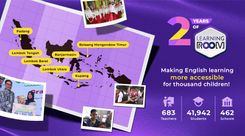
No need to look to the ends of the earth because Indonesia now has an innovative digital learning platform that integrates various learning products, particularly to improve the English skills of school children.
To overcome the access challenges from various regions to quality interactive learning materials, LearningRoom is the ideal choice to learn one of the most essential skills for the younger generation.
Furthermore, there are certified online training products and packages specifically for educators to enhance teacher competencies in providing the best educational services for students in the classroom. For those needing a technology-based educational solution that supports the development of both teachers and students, the choice is LEARNINGROOM!
The inspirational educational practices mentioned above demonstrate that innovation in education based on local context, technology integration, and holistic approaches can significantly contribute to achieving SDG 4.
By adapting one of these strategies, policymakers and educators can find relevant solutions to the educational challenges in their respective areas.
***
Join the Adventure and Learn English at
Sebelumnya
7 Tips Belajar Bahasa Inggris Secara Mandiri
Berikutnya
Metode Pembelajaran Bahasa Inggris Paling Efektif
10 Jun - 5 menit baca
10 Jun - 3 menit baca
10 Jun - 3 menit baca
10 Jun - 4 menit baca
Paling banyak dibaca
01
10 Jun - 8 menit baca
01
10 Jun - 5 menit baca
01
01
10 Jun - 4 menit baca
01
10 Jun - 4 menit baca
01
10 Jun - 3 menit baca
01
10 Jun - 6 menit baca
01
10 Jun - 3 menit baca
01
10 Jun - 4 menit baca
01
10 Jun - 3 menit baca
01
10 Jun - 2 menit baca
01
10 Jun - 3 menit baca
06 Mei - 8 menit baca
27 Jun - 5 menit baca
15 Okt - 4 menit baca
06 Mei - 4 menit baca
11 Jul - 3 menit baca
06 Mei - 6 menit baca
10 Jun - 3 menit baca

06 Mei - 4 menit baca
28 Mei - 3 menit baca
30 Jan - 2 menit baca
07 Agt - 3 menit baca

Suka dengan Artikel Ini?
Berlangganan newsletter kami untuk mendapatkan artikel menarik dan penawaran khusus langsung melalui email.
Gratis dan berhenti berlangganan kapan saja.

Ingin membaca lebih banyak artikel seperti ini?
Berlangganan newsletter bulanan kami.